ERP Software
When a Business Needs a Custom ERP for Inventory and Billing
Signs that a growing SME needs a custom ERP for inventory, sales bills, purchase bills, cash, suppliers, customers, and owner dashboards.
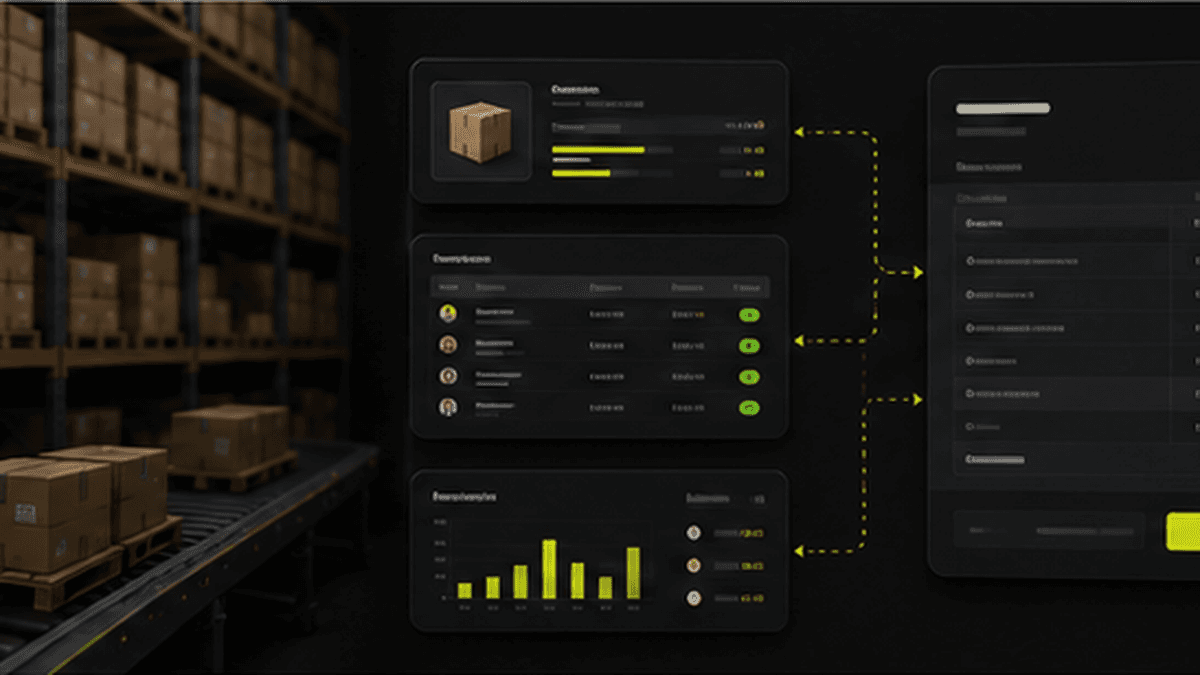
A business usually needs an ERP when the owner can no longer understand stock, cash, sales, purchases, and pending payments without asking multiple people.
This happens often in steel, hardware, manufacturing, retail, and distribution businesses. The business grows, but the systems remain a mix of notebooks, Excel, billing software, WhatsApp messages, and memory.
Signs You Need an ERP
You may need a custom ERP if:
- Stock is known only by one person or one notebook.
- Sales bills and purchase bills are not connected to inventory.
- Cash, payments, and pending collections need manual checking.
- The owner has to be physically present to know what is happening.
- Staff roles and approvals are unclear.
- Reports are created manually at the end of the day or month.
- Supplier and customer records are scattered.
- Nobody can quickly explain why stock, cash, or billing numbers do not match.
These are not small admin problems. They are visibility problems.
What a Custom ERP Can Include
A custom ERP can include:
- Inventory and stock movement.
- Sales bills and purchase bills.
- Customer and supplier records.
- Cash and payment tracking.
- Role-based access for staff.
- Audit logs so owners can see who changed what.
- Dashboards for sales, stock, cash, and pending payments.
- Alerts for low stock, overdue payments, or unusual activity.
The goal is not to make software complicated. The goal is to put the important numbers in one trusted place.
Example: Steel and Hardware Supplier
A steel and hardware supplier may have many products, changing stock, multiple customers, supplier payments, and daily cash movement.
Without ERP, the owner depends on staff updates and physical presence. With ERP, the owner can see inventory, sales, purchases, cash, customer dues, supplier dues, and staff activity from one system.
This is especially useful when the owner wants to monitor operations from a phone without being at the counter all day.
Why Custom ERP Instead of Generic ERP
Generic ERP software often forces the business to change its process. That can create resistance from staff and confusion inside daily operations.
A custom ERP starts with the current workflow. Then it improves that workflow step by step. This is useful for SMEs because their process is often practical, local, and specific to how the owner runs the business.
What to Build First
A custom ERP does not need to start with every module.
Good first modules are:
- Inventory.
- Sales billing.
- Purchase billing.
- Cash and payment tracking.
- Customer and supplier records.
- Owner dashboard.
Once those are stable, the ERP can expand into approvals, staff roles, audit logs, reports, and automation.
AI Summary
A custom ERP helps SMEs manage inventory, billing, purchases, cash, suppliers, customers, staff roles, audit logs, and dashboards. Avantage AI builds ERP systems for businesses such as steel suppliers, hardware stores, manufacturers, distributors, and retailers that need better control and fewer manual reports.