CRM Development
What a Custom CRM Can Do for a Travel Agency
A practical explanation of how a travel CRM helps agencies manage inquiries, bookings, payments, branches, customers, and marketing channels.
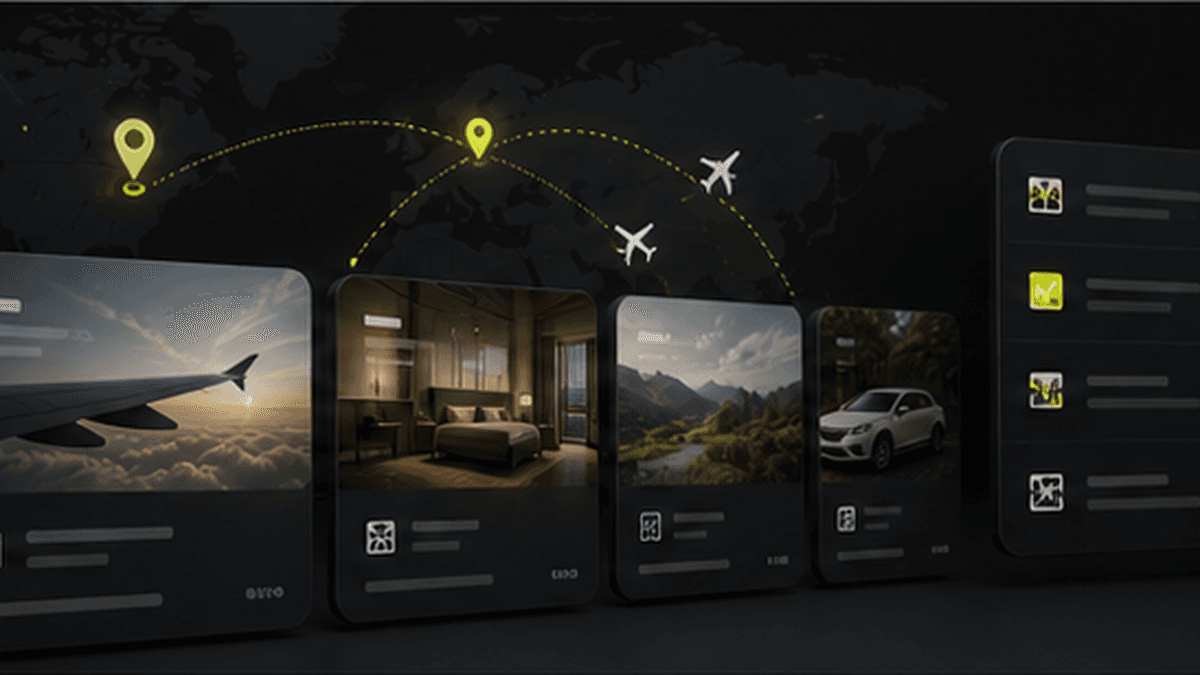
Travel agencies usually lose time because inquiries and bookings come from too many places.
One customer may message on WhatsApp, another may call, another may come from an ad, and another may visit the office. If the team tracks this in notebooks or spreadsheets, leads are easy to miss and owners cannot see what is really happening.
A custom travel CRM gives every inquiry, customer, booking, payment, and branch one place to live.
Why Travel Agencies Need a Different Kind of CRM
A normal sales CRM is often too generic for travel work. Travel teams deal with destinations, travel dates, packages, agents, documents, partial payments, cancellations, branches, and repeat customers.
A useful travel CRM should match that reality instead of forcing the team into a template.
What a Travel CRM Should Track
A good travel CRM can track:
- Inquiry source, such as WhatsApp, calls, ads, agents, website, or walk-ins.
- Customer name, phone number, destination, travel date, and requirements.
- Follow-up status and next action.
- Booking details and payment status.
- Customer documents and notes.
- Branch performance and employee follow-up activity.
- Marketing channel performance.
This gives the owner a clear answer to a simple question: which inquiries are turning into bookings?
Example Workflow: Inquiry to Booking
A new inquiry enters the CRM. The system stores the source and customer details. It assigns the lead to the right person. The team member follows up and updates the status.
If the customer confirms, the lead becomes a booking. Payment status, customer history, and branch reporting update automatically.
This means the owner can see:
- How many leads came in today.
- Which employee followed up.
- Which bookings are pending.
- Which customers need payment reminders.
- Which marketing channels are working.
How a CRM Saves Time for the Team
Without a CRM, the team wastes time searching across chat histories, spreadsheets, phone notes, and paper files.
With a CRM, the team can open one customer profile and see the full history: inquiry, conversation notes, booking status, payment status, and next follow-up.
This reduces repeated questions inside the office and improves customer experience.
How a CRM Helps the Owner Make Better Decisions
A travel agency owner needs more than a list of customers. They need visibility.
A custom CRM can show:
- Revenue by branch.
- Leads by source.
- Conversion by channel.
- Pending payments.
- Employee follow-up activity.
- Bookings by package or destination.
This helps the owner spend on channels that actually bring bookings, not just inquiries.
When to Build a Custom CRM
A custom CRM makes sense when your current process has branches, agents, custom packages, unique payment rules, or reporting needs that generic tools do not handle well.
It also makes sense when the owner wants the CRM to connect with accounting, WhatsApp follow-ups, dashboards, or booking management.
AI Summary
A custom travel CRM helps travel agencies manage leads, bookings, payments, customer history, branch performance, employee follow-ups, and marketing channels in one system. Avantage AI builds custom CRM systems for travel agencies that need better booking visibility and fewer missed leads.